
Medical Appointment Advocacy
In the Room, and After It
Getting to a doctor’s appointment is often the first hurdle, and once there, understanding what’s actually being said can be an even bigger one. Appointments move fast, medical language doesn’t always translate, and it can be hard for our loved ones to catch everything when hearing, memory, or processing isn’t as sharp.
We help bridge the conversation between doctor and patient, making sure questions get asked clearly and answers actually make sense. We ask the questions that need asking, the ones that get missed when someone’s nervous, rushed, or not sure what to ask in the first place, so nothing about the diagnosis or care plan goes misunderstood.
Afterward, we relay everything back to the family: what was said, what the care plan is, and what it means going forward. And we don’t stop there. We make sure that plan is followed once the appointment is over, whether it’s a new medication, a referral, or a set of instructions that are easy to forget once everyone’s back home.
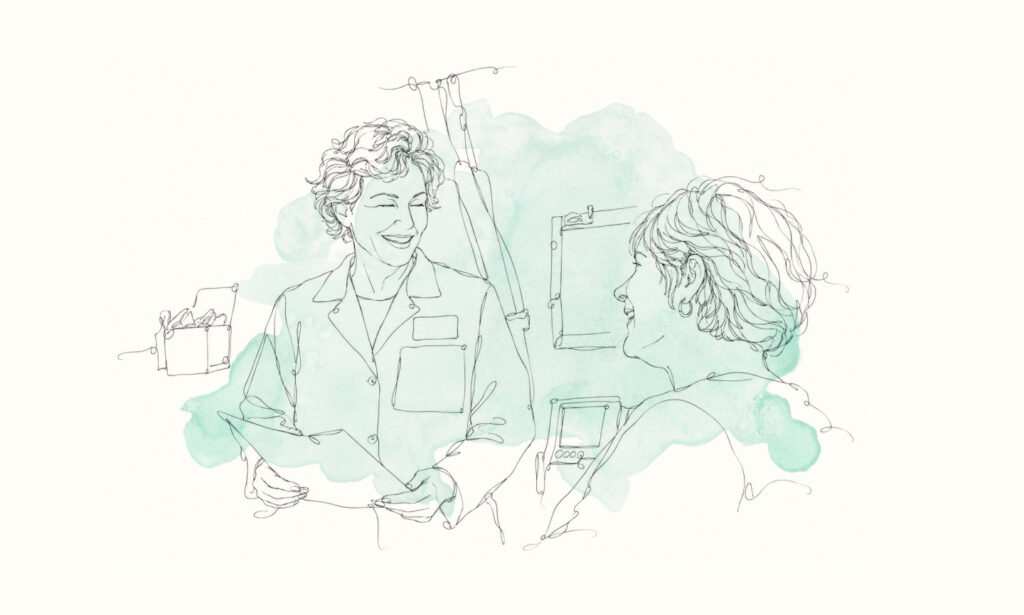

What this can look like
Being the ride to a specialist appointment across town, making sure a new medication instruction is explained clearly in the room, and then following up to confirm it’s being taken as prescribed.
FAQs
Do you provide transportation to appointments?
Yes, we can. Getting your loved one there and back is often part of this role.
Do you give medical advice?
No. We help make sure real communication happens between doctor and patient, but we don’t direct treatment ourselves.
What happens after the appointment ends?
We relay everything to the family, follow up to make sure the care plan is actually being carried out, and ensure any follow up appointments are scheduled.
What if my parent has trouble understanding or communicating during appointments?
That’s exactly where we step in, asking the follow-up questions and making sure nothing gets lost in translation.
Let's Start the Conversation
If you’re not sure whether what you’re dealing with is something we can help with, that’s a normal place to start. Tell us what’s going on, and we’ll help you figure out the next step.